
Are They Currants or Raisins?
Those little raisiny things called “currants” aren’t real currants!
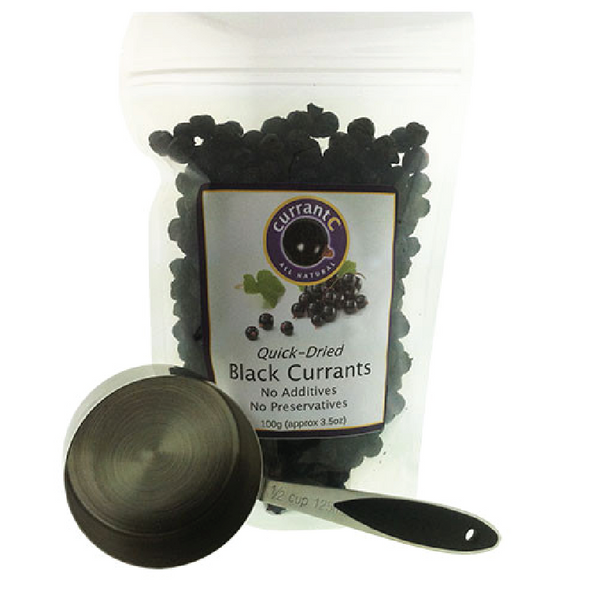
Earlier this year a report out of Tuft’s University announced that “Black Currants may thwart Alzheimer’s.” Since then, there has been a growing sense of confusion throughout the country as to what is a currant, what is a Zante currant and are raisins the same as currants?Since most Americans don’t know what real currants are, we here at The Currant Company have made it our mission to not only teach Americans what Currants are but also what they aren't.
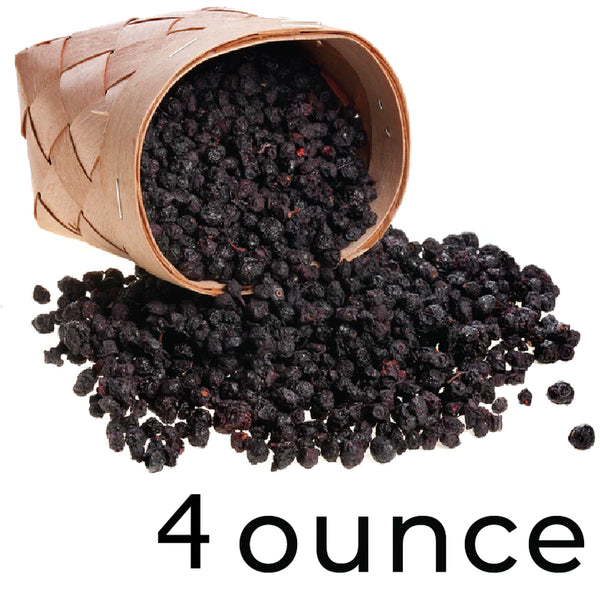
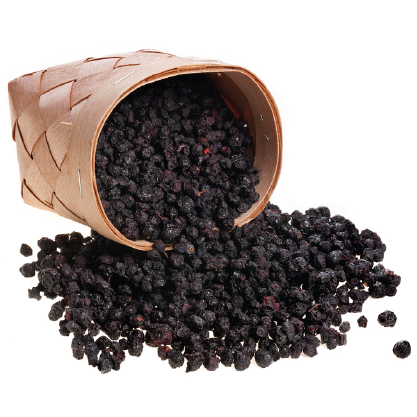
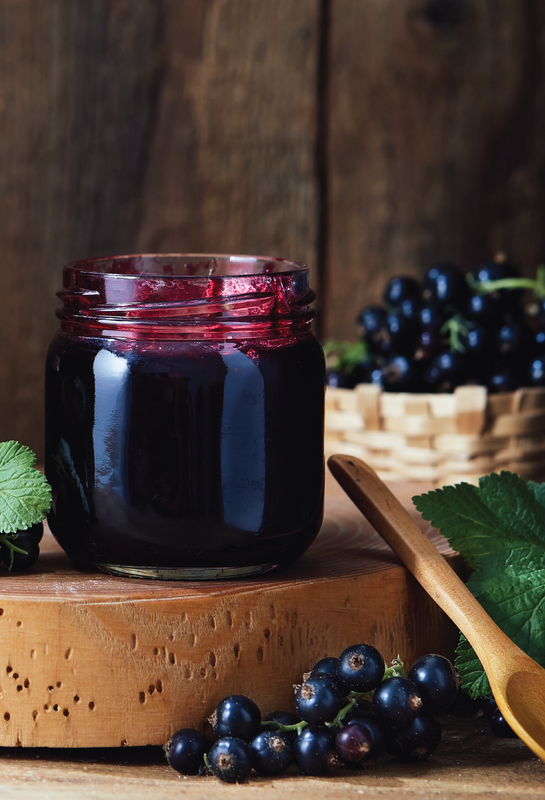
So called Zante Currants, Zante Raisins or worse "Currants" without the Zante prefix (those little raisiny things) are in fact dried grapes and have nothing to do with real currants. Grapes, of course, grow on vines and are sweet. Currants grow on bushes and are quite tart. The botanical family of Currants is Saxifragaceae, Genus Ribes while the Botanical family of grapes is Vitaceae, Genus Vitis. The two are as close as bananas and apples but more importantly, the raisins have little or none of the Black Currant antioxidants studied in the Alzheimer’s research.
Several different explanations about the origin of the confusion exist so we would like to clear up this issue.
The commercial cultivation of Currants was outlawed in 1911 in the U.S. by an act of Congress. The lumber industry put forth the bill believing that the botanical disease known as White Pine Blister Rust, which need both the White Pine and Currants to complete it’s cycle, could wipe out the then valuable White Pine industry. Because of this legislation, Currants have remained off the radar screen of the American Consciousness until recently when Greg Quinn, a farmer, was able to overturn the law in New York by demonstrating that new resistant varieties eliminated the specter of the disease.
In the twenties, Greece began to export small dried grapes; raisins, from the Ionian Islands. The Greek writing on the first shipment for the word “Corinth” was mistakenly translated at the pier into “Currant”. Since the growing of the real currants had been banned for many years at that point and few Americans knew what they were any more, the name stuck and we now have 80+ years of cook books telling us to put a half a cup of "Currants" in our scones and soda bread when what they really mean is raisins.
These black Corinth grapes which yield a seedless, mini-raisin one-fourth the size of the average raisin come from the area of Corinth and more specifically from the third largest Ionian Island call Ζάκυνθος or Zakýnthos which is often known as Zante, hence “Zante Currants.”
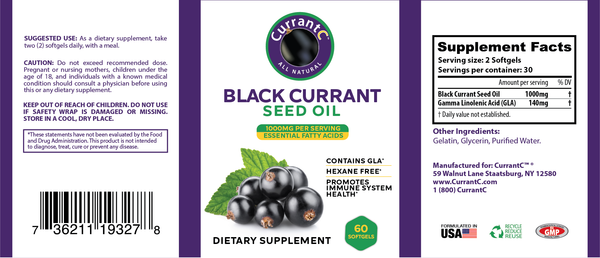
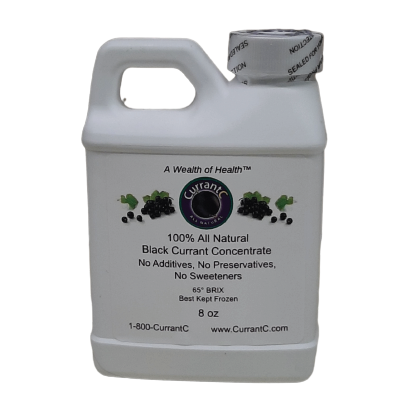
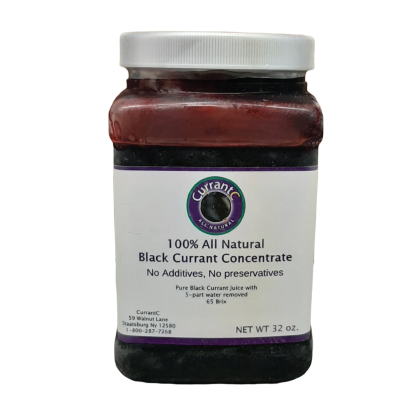
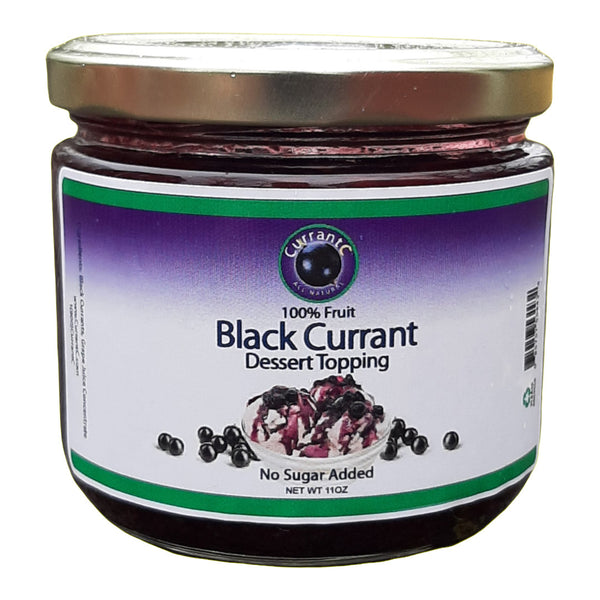
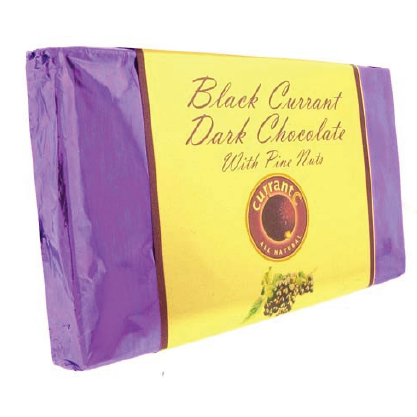
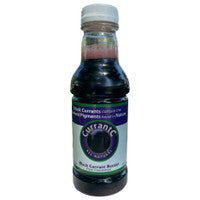
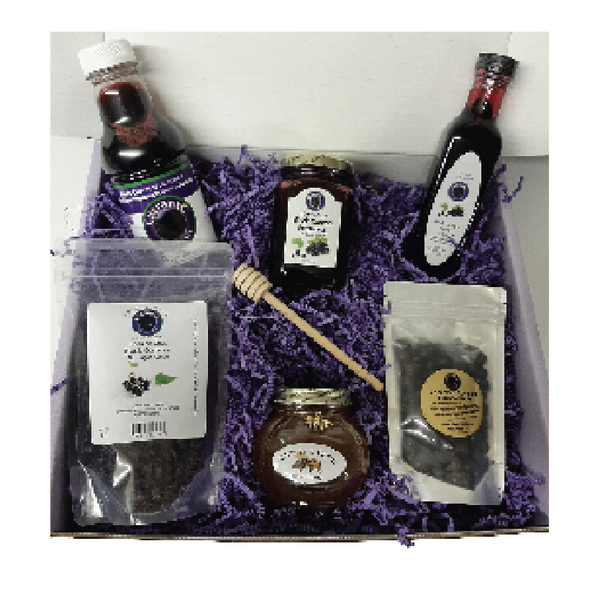
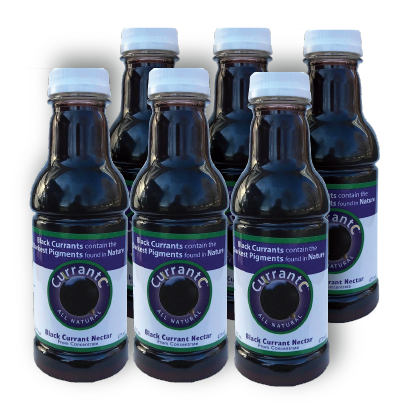
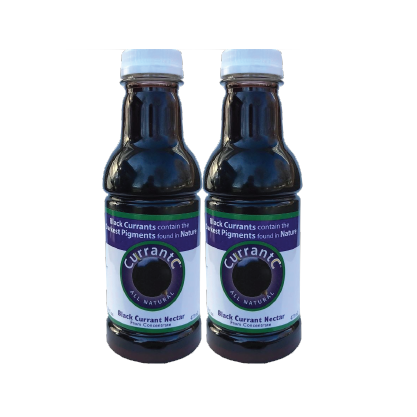
The Currant Company, founded by Greg Quinn, who now has the largest currant farm in New York, bottles the first domestically produced Currant beverage in the U.S. This All Natural, Premium, Black Currant Nectar called CurrantC™ has the highest content of Black Currant juice of any Black Currant beverage in the world.
Contact info:
info@CurrantC.com
(845)266-8299
www.CurrantC.com